Water, Chemical, or Clean Agent? Understanding the Types of Fire Suppression Systems
A fire suppression system is a built-in setup that detects a fire and releases an agent to control or extinguish it. The right agent depends on what burns, what the system protects, and local code. Commercial properties in New Jersey, Eastern Pennsylvania, and Northern Delaware rely on water, wet chemical, dry chemical, clean agent, inert gas, and foam systems for different hazards. This guide explains where each type fits and how building owners choose.
Key Takeaways
- A fire suppression system uses water, wet chemical, dry chemical, clean agent, inert gas, or foam to match the hazard.
- Sprinklers control fires across buildings, while special hazard systems protect kitchens, server rooms, and equipment where water would cause damage.
- Wet chemical suits commercial kitchens, clean agent suits data centers, and dry chemical suits flammable liquid and vehicle hazard areas.
- Commercial building owners choose a system by reviewing the hazard, occupancy, fire marshal requirements, agent safety, and long-term inspection and maintenance needs.
How Each Suppression Agent Protects Different Fire Hazards
Different fire suppression agents control fires by cooling burning materials, reducing oxygen levels, or interrupting the combustion process. The appropriate agent depends on the specific fire hazard, the equipment being protected, and the conditions within the commercial facility.
Water-Based Agents Cool Burning Materials to Control Fires
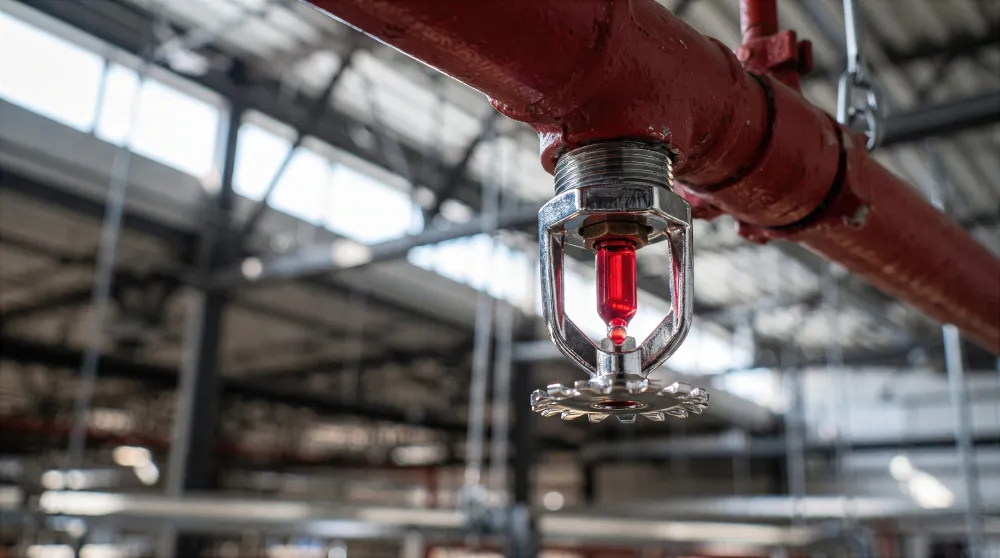
Water-based fire suppression systems absorb heat from burning materials, helping cool the fire and prevent it from spreading. In commercial fire sprinkler systems, individual sprinkler heads activate when exposed to sufficient heat, releasing water over the affected area.
These systems are commonly used in commercial buildings such as warehouses, offices, and other facilities where water is appropriate for the materials and equipment present. Regular inspection, testing, and maintenance help ensure that fire sprinkler systems remain ready to respond when needed.
Wet Chemical Agents Cool Cooking Oils and Help Prevent Reignition
Wet chemical fire suppression agents are designed to control fires involving commercial cooking oils and grease. When discharged, the agent cools the burning oil and forms a protective layer that helps prevent the fire from reigniting.
These systems protect designated cooking hazards, including commercial fryers, griddles, and ranges. Proper nozzle placement, routine inspections, and scheduled maintenance help keep commercial kitchen fire suppression systems prepared to respond to cooking-related fires.
Dry Chemical Agents Interrupt Combustion in Paint Booth Fires
Dry chemical fire suppression agents release a fine powder that interrupts the chemical chain reaction sustaining a fire. This rapid suppression method is suitable for certain flammable-liquid hazards found in commercial paint spray booths.
For autobody shops and dealerships, dry chemical systems help protect designated paint booth hazards. Because the discharged agent can leave residue, facilities should also consider equipment cleanup and operational downtime when evaluating this suppression method.
Clean Agents Suppress Fires Without Leaving Residue on Sensitive Equipment
Clean agent fire suppression systems use gaseous agents, such as FM-200, to control fires without leaving the powder or water residue associated with other suppression methods. Depending on the agent, suppression occurs primarily through heat absorption or interference with combustion.
These systems are often considered for server rooms, telecommunications equipment, and other spaces containing sensitive electronics. Proper system design and ongoing maintenance help ensure that special hazard fire suppression systems provide protection appropriate to the equipment and surrounding environment.
Inert Gas Agents Reduce Oxygen Levels to Suppress Fires in Data Centers
Inert gas fire suppression systems use gases such as nitrogen or argon to reduce oxygen concentrations within a protected enclosure. Lowering the available oxygen helps stop combustion while avoiding the residue associated with water-based or dry chemical suppression.
These systems may be suitable for data centers and other enclosed commercial spaces containing sensitive equipment. Their effectiveness depends on factors such as enclosure integrity, room dimensions, and system design. Occupant safety must also be considered because reducing oxygen levels can create hazards if the system is not properly engineered.
Key Factors for Matching Agents to Commercial Fire Risks
Selecting a fire suppression system requires evaluating the materials being protected, building conditions, occupant safety, and applicable fire codes. Commercial property owners should also consider inspection requirements and long-term maintenance when comparing systems.
Fire Hazards Determine Which Suppression Agents Are Appropriate
The materials that could ignite help determine which suppression agent is appropriate. Commercial cooking oils typically require wet chemical systems, while paint spray booths may use dry chemical suppression.
Clean agent and inert gas systems are commonly considered for sensitive electronic equipment. A professional hazard assessment helps identify the appropriate protection based on the facility’s operations and fire risks.
Building Layout and Equipment Placement Influence Suppression Agent Selection
Room dimensions, ceiling height, ventilation, and equipment placement influence fire suppression system design.
Enclosed server rooms may require clean agent or inert gas systems with adequate room sealing, while commercial kitchens need suppression coverage matched to their cooking appliances. Building owners should also consider accessibility for inspections, maintenance, and future equipment changes.
Fire Codes and NFPA Standards Establish Requirements for Suppression Systems
Fire codes and NFPA standards establish requirements for suppression system design, installation, inspection, and maintenance. The Authority Having Jurisdiction (AHJ), typically a local fire official or designated agency, determines which requirements apply to a property.
Commercial facilities in New Jersey, Eastern Pennsylvania, and Northern Delaware should confirm applicable standards and local requirements before selecting a system.
Occupant Safety Determines Which Suppression Agents and Safeguards Are Suitable
Occupant safety influences which suppression agents can be used in occupied commercial spaces. Clean agent and inert gas systems require appropriate design concentrations, warning devices, and discharge procedures.
Dry chemical agents can reduce visibility during discharge and leave residue. A fire protection specialist should evaluate evacuation requirements, exposure risks, and system safeguards before recommending an agent.
Installation Requirements and Costs Influence Suppression System Selection
Fire suppression system costs vary based on the extinguishing agent, protected area, detection equipment, piping, and installation conditions. A commercial kitchen suppression system has different design requirements than a clean agent system protecting a server room.
Building owners should obtain a professional assessment to understand system requirements, applicable permits, and anticipated costs. Installation and acceptance testing should be handled by qualified professionals.
Inspection and Maintenance Requirements Affect Long-Term System Reliability
Regular inspection and maintenance help confirm that fire suppression systems remain ready to operate. Commercial kitchen suppression systems generally require inspections every six months, while other systems follow schedules established by applicable NFPA standards and manufacturer instructions.
Technicians inspect components such as cylinders, nozzles, detection devices, and release mechanisms. Coordinating suppression maintenance with fire alarm systems testing can help facility managers maintain organized fire protection records.
Schedule a Fire Suppression System Review for Your Building
Choosing the right agent is easier with a specialist who knows the building. Confires provides inspection, repair, installation, and monitoring for businesses across New Jersey, Eastern Pennsylvania, and Northern Delaware, with 24/7 emergency service.
Contact us to discuss your hazards and compliance needs.
Frequently Asked Questions
What is the difference between a fire suppression system and a sprinkler system?
Sprinklers use water to control fire across a building. A fire suppression system releases a targeted agent, such as wet chemical or clean agent, to protect a specific hazard like a kitchen hood or server room.
How much does it cost to put in a fire suppression system?
Cost depends on the agent, the size of the protected space, the number of hazards, and existing infrastructure. A site assessment is the best way to price a system, since a kitchen hood and a server room differ widely.
Can I install my own fire suppression system?
Fire suppression systems should be installed by trained, licensed professionals. Agent design, piping, detection, and permits must meet manufacturer instructions and fire marshal requirements. An unapproved installation can fail inspection or fail during a fire.
What fire suppression system does a food truck need?
Food trucks with cooking appliances typically need a wet chemical fire suppression system over the cooking line, plus portable extinguishers. Requirements vary by jurisdiction, so confirm details with the local fire marshal before operating.
Category: Fire Suppression Systems Let us help.
Fill out the form and a Confires fire safety specialist will contact you.