
How Access Control, CCTV, and Alarm Monitoring Work Together to Protect Commercial Properties
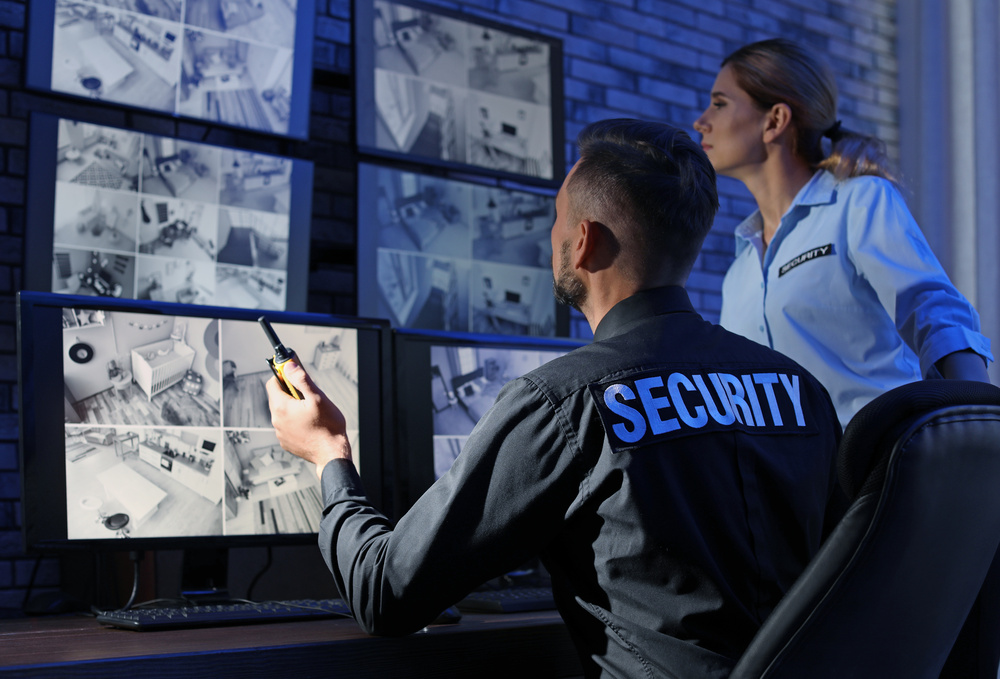
Integrated commercial security systems combine access control, CCTV surveillance, and alarm monitoring into one coordinated layer of protection. When each component shares data with the others, businesses across New Jersey, Eastern Pennsylvania, and Northern Delaware gain faster incident response, cleaner audit trails, and fewer gaps in coverage.
Commercial properties face real security risks every day. Unauthorized access, after-hours intrusions, and liability exposures are ongoing concerns for property managers, facilities managers, and building owners. This guide explains how these three systems work together and what to prioritize when selecting commercial security systems for your building.
Key Takeaways
- Integrated commercial security systems link access control, CCTV, and alarm monitoring so each component reinforces the others rather than operating in isolation.
- When a burglar alarm triggers, a connected CCTV system can immediately record footage of the zone, giving responders visual confirmation before they arrive on-site.
- Access control systems for businesses create a timestamped credential log at every entry point, which investigators can cross-reference with camera footage after an incident.
- Commercial alarm monitoring routes verified alerts to a central station, reducing false-alarm dispatches and helping businesses meet local AHJ requirements in NJ, Eastern PA, and Northern DE
How Integrated Security Systems Reduce Risks Across Commercial Properties
Access Control Limits and Documents Entry at Every Point
Access control systems for businesses do more than lock doors. They record every credential attempt, log the time and user ID, and deny access to unauthorized individuals without staff intervention. A credential that is lost, stolen, or associated with a terminated employee can be deactivated remotely in seconds. This matters for multi-tenant commercial buildings where dozens of people rotate through entry points daily. Properties with server rooms, pharmaceutical storage, or restricted equipment rooms benefit most. An access control system turns every door event into a documented, searchable record.
CCTV Systems Create Visual Accountability Across the Property
Commercial CCTV security systems provide continuous visual coverage of perimeter doors, parking areas, loading docks, and interior corridors. High-definition IP cameras record footage tied to specific timestamps, making post-incident review precise and usable. When an alarm is triggered in a monitored zone, an integrated CCTV system can automatically pull live or recorded footage from that zone. This visual layer gives property managers and security personnel the context needed to confirm whether an event is a real threat or a false positive. For commercial properties in New Jersey, footage is frequently used to support insurance claims and liability investigations.
Alarm Monitoring Converts Sensor Data Into Actionable Alerts
A burglar alarm for businesses detects intrusion through motion sensors, door contacts, glass-break detectors, and vibration sensors placed at vulnerable points. Without monitoring, that detection is local only. Commercial alarm monitoring routes triggered alerts to a UL-listed central station, which can dispatch police or notify designated contacts. Monitoring also filters out nuisance alerts so that response resources are reserved for verified events. Businesses in NJ, Eastern PA, and Northern DE should confirm that their central station monitoring meets the requirements of their local Authority Having Jurisdiction (AHJ), as monitoring standards and response protocols can vary by municipality.
System Integration Reduces False Alarms and Response Delays
One of the most concrete operational benefits of integrated commercial security systems is false alarm reduction. When an alarm sensor triggers, an integrated system cross-references the event with access control logs and live CCTV footage before escalating. If the credential log shows a valid entry at that door 30 seconds before the alarm, a monitoring agent can classify the event differently than an unauthorized entry. This cross-verification reduces unnecessary police dispatch calls, which matter in New Jersey because municipalities can issue fines for excessive false alarms after a documented threshold is reached.
Multi-Site Security Management Supports Distributed Operations
Businesses operating across multiple locations in New Jersey and Eastern Pennsylvania need visibility across every site from a single management platform. Modern cloud-based commercial security systems allow facilities managers to arm and disarm systems, review camera feeds, and pull access logs remotely. This is particularly useful for property management companies overseeing multiple commercial buildings with shared staff. Rather than maintaining separate vendor relationships for each location, a unified platform simplifies reporting and ensures consistent security policies across the portfolio.
Security Gate Systems and Perimeter Control Extend Protection Beyond the Building
For manufacturing facilities, distribution centers, and automotive properties, the security perimeter starts at the lot entrance. Commercial security gate systems control vehicle access and can be integrated with access control credentials, intercom systems, and CCTV cameras covering the entry lane. A credential-based gate prevents unauthorized vehicles from entering restricted areas without requiring a staff member to physically monitor the gate. This is a common requirement for industrial properties in Union County, Middlesex County, and similar commercial corridors throughout central New Jersey.
Commercial Fire and Security Systems Should Share Infrastructure
When burglar alarm systems and fire alarm systems share conduit pathways, panel infrastructure, or a common monitoring platform, installation costs decrease and facility management becomes more efficient. A single monitoring agreement can cover both fire and intrusion events through one central station. For property managers coordinating life safety compliance alongside physical security, this shared infrastructure reduces the number of contractors and vendor relationships to manage. Combining commercial fire and security systems from the planning stage avoids redundant wiring and simplifies future inspections.
What Business Owners Should Prioritize Before Choosing Integrated Security Solutions
Define the Risk Profile of Your Building Before Selecting Equipment
Not every commercial property needs the same configuration. A retail storefront in a high-foot-traffic area has different vulnerabilities than a warehouse with a single entry point and a night shift. Start by identifying the specific threats your property faces: after-hours intrusion, internal theft, unauthorized access to sensitive areas, or perimeter breaches. A documented risk assessment gives a security installer a clear scope to work from. It also prevents over-specifying equipment in low-risk zones while under-protecting the areas that actually need coverage.
Verify That Your Security Installer Holds the Correct State Licensing
New Jersey requires security system contractors to hold a valid license issued through the State Police. Hiring an unlicensed installer creates liability exposure and may invalidate insurance claims tied to the system. Before signing any agreement, ask the installer to confirm their NJ license status and verify that the technicians performing the work are trained and credentialed on the equipment being installed. This applies equally to burglar alarm installation, access control, and commercial CCTV system installation across NJ and Eastern PA.
Confirm That Monitoring Is Provided Through a UL-Listed Central Station
Commercial alarm monitoring quality varies significantly depending on the central station behind it. A UL-listed (Underwriters Laboratories) central station meets a recognized standard for redundancy, staffing, and response protocols. Many commercial insurance providers and local AHJs in New Jersey require UL-listed monitoring as a condition of coverage or compliance. When evaluating commercial security systems companies, ask specifically whether their monitoring station carries UL listing and what their escalation protocol looks like when an alarm is verified.
Plan for Scalability Before Installation Begins
A commercial security system designed only for current conditions will become a liability as your business changes. Businesses that anticipate adding staff, opening additional suites, or expanding into adjacent space should select platforms that support credential additions, camera expansion, and remote site integration without requiring a full system replacement. Access control systems for businesses built on open-architecture platforms allow new doors, readers, and cameras to be added incrementally. Specifying scalability requirements upfront is far less expensive than retrofitting a closed system two years after installation.
Understand How Data Retention Requirements Affect Your Camera System Design
Commercial CCTV security systems generate significant data, and retention requirements are not uniform. Healthcare facilities, financial institutions, and regulated industries may be subject to minimum footage retention periods dictated by compliance frameworks. Some NJ municipalities and insurers also specify minimum retention windows for commercial properties. Before selecting storage capacity, clarify whether your industry or property type carries a specific retention obligation. A 30-day minimum is common for general commercial use, but higher-risk or regulated environments often require 60 to 90 days of stored footage.
Evaluate Whether Wireless or Wired Infrastructure Fits Your Building
Commercial wireless camera security systems offer a faster installation timeline and are better suited for properties where running conduit is disruptive or cost-prohibitive. However, wired systems generally provide more reliable signal continuity in buildings with dense construction, metal interference, or large square footage. For commercial buildings in New Jersey and Eastern Pennsylvania, concrete construction and masonry walls can degrade wireless signal quality. An installer familiar with regional building stock can assess the tradeoffs and recommend the right infrastructure before work begins. The decision affects both installation cost and long-term system reliability
Protect Your Business with Security Systems That Work Together
Commercial properties in New Jersey, Eastern Pennsylvania, and Northern Delaware face real security and compliance demands. The right combination of access control, CCTV, and alarm monitoring reduces risk, supports documentation, and keeps your building operating without disruption.
Confires Fire Protection Service, LLC serves commercial property owners, facilities managers, and building operators across this region with security systems designed for commercial buildings. Contact us to discuss the right security configuration for your property.
Frequently Asked Questions
What is the difference between a commercial security system and a residential one?
Commercial security systems for buildings are designed for higher occupancy, multiple access points, and compliance requirements that residential systems do not address. They typically include scalable access control, commercial CCTV, and central station monitoring suited for facilities managers and multi-tenant operations.
How often should commercial security systems be inspected and tested?
Commercial burglar alarm systems and access control equipment should be tested at least annually, with some monitoring agreements requiring semi-annual checks. Local AHJ requirements in NJ and Eastern PA may set specific inspection intervals. Consult your installer and municipality for documented compliance schedules.
Can commercial fire and security systems share the same monitoring platform?
Yes. Many commercial properties in NJ use a single UL-listed central station to monitor both fire alarm and burglar alarm signals. This simplifies vendor management, reduces monitoring costs, and ensures coordinated response when multiple system types activate simultaneously.
What should I look for when comparing commercial security systems companies in NJ?
Confirm that the company holds a valid NJ security contractor license, uses a UL-listed monitoring station, and has documented experience with commercial building security systems in your property type. Ask for references from similar commercial accounts in New Jersey, Eastern Pennsylvania, or Northern Delaware.
Category: Security Systems Let us help.
Fill out the form and a Confires fire safety specialist will contact you.
Let us help.
Fill out the form and a Confires fire safety specialist will contact you.