
How Fire Alarm System Components Work Together to Protect Commercial Buildings
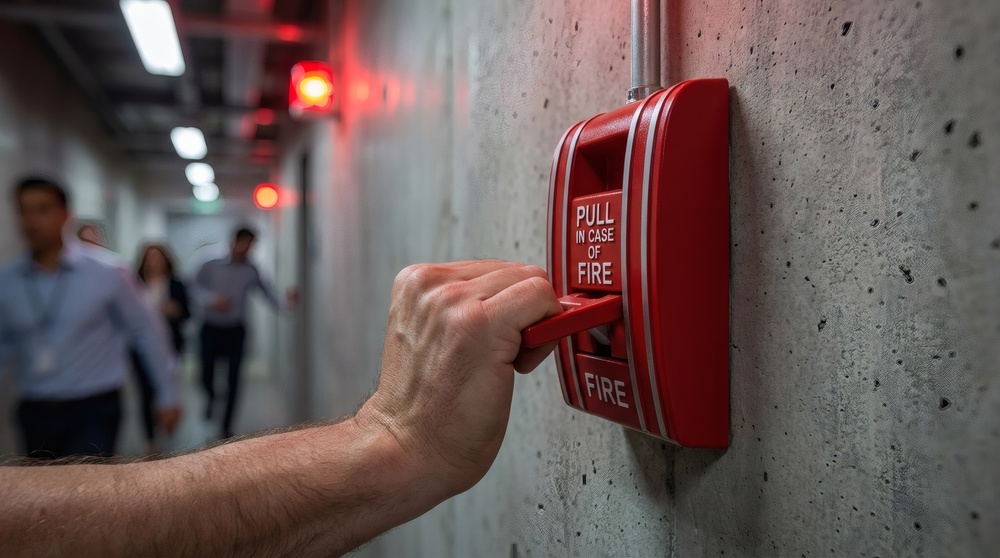
A fire alarm system works by connecting detection devices, a control panel, and notification devices into one coordinated network. Each part plays a distinct role in identifying a fire and alerting building occupants. For commercial property owners across New Jersey, Eastern Pennsylvania, and Northern Delaware, understanding these parts helps clarify why regular inspection and testing matter. This guide breaks down the main components of a fire alarm system and explains what a complete commercial setup typically includes.
Key Takeaways
- A fire alarm system relies on detectors, a control panel, and notification devices working together as one unit.
- The fire alarm control panel, or FACP, acts as the central hub that receives and processes signals.
- Commercial buildings in New Jersey often require pull stations, smoke detectors, and monitoring as a complete package.
- Regular inspection and testing keep every component ready to respond when a real fire event occurs.
How Fire Alarm Components Coordinate to Protect New Jersey Businesses
Every fire alarm system depends on a chain of components that must communicate correctly to function as designed. When one part fails, the entire system’s reliability is affected. The sections below explain how each component contributes to overall building protection.
The Fire Alarm Control Panel Acts as the System’s Brain
The fire alarm control panel, often called the FACP, receives signals from every detection device connected to the system. It processes those signals and decides whether to trigger notification devices or send an alert to a monitoring center.
Commercial buildings typically house the panel in a location accessible to responding fire personnel. A malfunctioning panel can delay or prevent an alarm from activating properly.
Smoke and Heat Detectors Provide Early Fire Detection
Smoke detectors and heat detectors are placed throughout a building to sense the early signs of fire. Smoke detectors react to particles in the air, while heat detectors respond to rising temperatures in specific areas.
Commercial spaces such as mechanical rooms often use heat detectors instead of smoke detectors to avoid false activations from dust or steam. Correct placement depends on the layout and use of each space within the building.
Pull Stations Give Occupants a Manual Way to Sound the Alarm
A pull station allows an occupant who spots a fire to manually trigger the alarm system before automatic detectors activate. These are typically mounted near exits so people can activate them while evacuating. In commercial buildings, pull stations must remain unobstructed and clearly marked under fire code requirements. Technicians check pull stations during routine testing to confirm they trigger the panel correctly.
Notification Devices Alert Occupants to Evacuate
Horns, strobes, and speakers make up the notification devices that alert people inside a building once the system detects a fire. Strobes are especially important in areas with high noise levels or for occupants with hearing impairments.
Notification devices must be audible and visible throughout all occupied areas of a commercial property. Placement and spacing follow code requirements based on square footage and building layout.
Monitoring Connects the System to Emergency Response
Fire alarm system monitoring links the control panel to a monitoring center that can notify the fire department when an alarm activates. A monitored fire alarm system continues working even when the building is unoccupied, such as overnight or on weekends.
This connection matters for commercial properties in New Jersey, Eastern Pennsylvania, and Northern Delaware where staff may not always be on site to notice an activation. Monitoring adds a layer of response that detection alone cannot provide.
Wiring and Communication Pathways Link Every Device
Behind the visible devices, a network of wiring or wireless communication pathways connects every detector, pull station, and notification device back to the control panel. Older commercial buildings in the region sometimes have wiring that predates current code requirements, which can complicate repairs or upgrades.
A technician diagnosing a fire alarm system that keeps going off often traces the issue back to a wiring fault or a failing device rather than the panel itself. Proper wiring inspection is part of standard system maintenance.
What to Expect From a Complete Commercial Fire Alarm System
A complete commercial fire alarm system involves more than just installing detectors and a panel. Building owners should understand what a full installation, inspection, and repair process typically involves. The following sections outline what commercial stakeholders can expect.
Installation Follows a Design Based on Building Layout
Fire alarm system installation begins with a design phase that accounts for the building’s square footage, occupancy type, and existing construction. A fire alarm system installer maps out device placement to meet coverage requirements set by code.
Retrofitting an existing building often presents different challenges than installing a system in new construction. The design phase determines how many devices and how much wiring the project will require.
Different Panel Types Serve Different Building Sizes
Fire alarm system panels vary by manufacturer and capability, with conventional and addressable panel types both common in commercial settings. An addressable panel can identify the exact device that triggered an alarm, while a conventional panel typically indicates only the zone.
Larger commercial buildings with multiple floors or tenants often benefit from addressable panel technology. The right panel type depends on building size and the level of detail facility staff need during an alarm event.
Inspection and Testing Keep Systems Code Compliant
Routine inspection and testing confirm that every detector, pull station, and notification device still functions as intended. Fire codes require periodic testing intervals, and documentation from each inspection supports compliance during a fire marshal review.
Skipping scheduled testing increases the risk of a device failing silently until an actual fire event. Inspection records also help building owners track the age and condition of system components over time.
Repairs Address Aging or Malfunctioning Devices
Fire alarm system repair becomes necessary when a device ages out, malfunctions, or triggers false alarms. A technician troubleshooting a system typically starts by checking the panel’s event log to identify which device reported the issue.
Dust accumulation, humidity, and aging wiring are common causes of unexpected activations in commercial buildings. Addressing repairs promptly helps avoid recurring false alarms that can lead to occupant complaints or fire code violations.
Upgrades Modernize Systems as Codes and Technology Change
Older commercial fire alarm systems, including some legacy Simplex fire alarm system installations, sometimes require upgrades to align with current code requirements or replacement parts availability. Facility managers should track whether their system’s manufacturer still supports the panel and devices in use.
An upgrade project can include panel replacement, added detection coverage, or integration with newer monitoring technology. Planning upgrades before a component fails reduces the risk of unexpected downtime.
Protect Your New Jersey Business With a Reliable Fire Alarm System
Understanding how fire alarm system components work together helps building owners make informed decisions about inspection, repair, and monitoring. Confires Fire Protection Services provides fire alarm services for commercial properties across New Jersey, Eastern Pennsylvania, and Northern Delaware. Whether your building needs a new installation, routine testing, or repair on an aging system, contact us to discuss your building’s fire alarm needs.
Frequently Asked Questions
What Are the Three Types of Fire Alarm Systems?
Commercial buildings typically use conventional, addressable, or hybrid fire alarm systems. Conventional systems identify alarm zones, addressable systems pinpoint the exact device, and hybrid systems combine features of both depending on building size and complexity.
How Much Should a Fire Alarm System Cost?
Cost depends on building size, panel type, device count, and whether the project involves new construction or a retrofit. A facility manager should request a site-specific assessment rather than relying on general pricing estimates.
How Much Does It Cost to Get a Fire Alarm Installed?
Installation cost varies based on square footage, existing wiring conditions, and the number of detectors and notification devices required. Older buildings needing wiring upgrades typically cost more than new construction with modern infrastructure already in place.
Why Does My Fire Alarm System Keep Going Off?
Frequent false alarms often trace back to dust buildup, humidity, aging detectors, or wiring faults. A technician can review the control panel’s event log to identify which device triggered the alarm and recommend the appropriate repair.
Category: Fire Alarms Let us help.
Fill out the form and a Confires fire safety specialist will contact you.
Let us help.
Fill out the form and a Confires fire safety specialist will contact you.