
Recurring Fire Alarm Problems Can Signal Bigger Safety and Code Compliance Issues
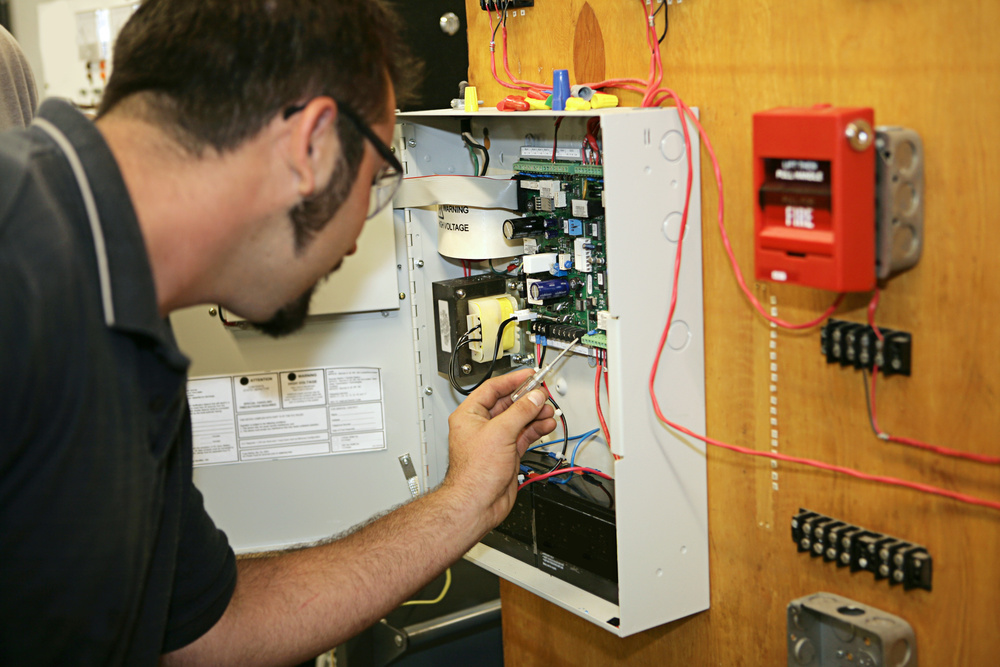
A fire alarm beeping every 30 seconds usually points to a low battery or a wiring issue. In commercial buildings across New Jersey, this small annoyance can also signal a larger compliance problem. Property managers and facilities teams often ask why a fire alarm keeps beeping even after a battery change. This guide explains common causes of fire alarm beeping and when the issue requires a professional fire safety technician.
Key Takeaways
- A beeping fire alarm often signals a low battery, wiring fault, or sensor contamination needing attention.
- Three quick beeps typically indicate detected smoke, while a single chirp usually signals a low battery.
- Hardwired fire alarm beeping after a battery change may point to backup battery or wiring problems.
- Recurring alarm issues in commercial buildings can create fire code violations if left unresolved for long.
How to Address Recurring Fire Alarm Issues Before Compliance Risks Grow
Recurring fire alarm beeping can stem from several different causes, ranging from simple maintenance needs to system-wide faults. Identifying the source of the problem early helps facilities teams restore normal operation and reduce the risk of larger safety or compliance issues.
Identify the Difference Between a Chirp and an Alarm Signal
A single chirp every 30 to 60 seconds is different from a continuous three-beep pattern. The chirp usually signals low battery or a maintenance reminder on the device. Three beeps in a row, repeated, generally means the sensor has detected smoke or heat. Facilities staff should document which pattern they hear before contacting a technician, since this detail speeds up diagnosis.
Check Battery Type and Placement
Many battery-related chirps trace back to incorrect battery type or a battery seated improperly in the compartment. Some detectors require specific battery sizes, and using the wrong one can trigger false low-battery signals. In commercial settings with multiple devices, mismatched batteries across units are a common and avoidable cause of recurring beeping.
Check Backup Batteries in Hardwired Systems
Hardwired fire alarm beeping can happen even when the unit is connected to building power. Most hardwired smoke detectors include a backup battery that also needs regular replacement. If a hardwired detector keeps beeping after a new backup battery is installed, the issue may be a wiring connection or a fault in the unit itself.
Inspect for Dust and Sensor Contamination
Dust, insects, or debris inside a smoke detector chamber can trigger random beeping unrelated to battery status. This is especially common in older commercial buildings with HVAC systems that circulate dust through vents. A technician can inspect and clean the sensor chamber to rule out contamination as the cause.
Replace Smoke Detectors at End of Service Life
Smoke detectors have a limited service life, often around ten years depending on the manufacturer. A unit reaching end-of-life may beep intermittently regardless of battery condition, signaling it needs full replacement rather than a battery swap. Facilities managers should track installation dates across devices to anticipate replacement needs.
Inspect Wiring in Interconnected Alarm Systems
In interconnected fire alarm systems, one faulty device can cause beeping or false signals throughout an entire zone. This is common in multi-tenant properties where devices share wiring across units or floors. Isolating the specific device causing the disruption requires a technician familiar with the building’s alarm layout.
Contact a Licensed Fire Alarm Technician When Needed
Recurring or unresolved beeping in a commercial fire alarm system should prompt a call to a licensed fire protection technician. New Jersey commercial properties are subject to fire code requirements that apply to alarm system functionality. A technician can diagnose whether the issue is isolated or tied to a broader system fault.
Key Inspection Priorities for Ongoing Commercial Fire Safety Compliance
Resolving a recurring beeping issue is only the first step toward maintaining a reliable fire alarm system. Regular inspections, accurate documentation, and proactive maintenance help commercial buildings remain prepared while supporting ongoing fire code compliance.
Schedule Routine Inspection and Testing Cycles
Commercial fire alarm systems require scheduled inspection and testing to remain compliant with fire code requirements. These inspections typically check device sensitivity, battery condition, and connection integrity throughout the building. Property managers should keep documentation of each inspection date for audit readiness.
Verify Monitoring Connections Remain Active
Fire alarm monitoring connects the building’s system to a monitoring service that alerts responders during an emergency. A disconnected or malfunctioning monitoring link can leave a building without notification during an actual fire event. Facilities teams should confirm monitoring status is verified during each inspection cycle.
Document Device Age and Replacement Schedules
Tracking installation and replacement dates for every smoke detector helps prevent unexpected end-of-life failures. Buildings with mixed device ages are more prone to inconsistent beeping patterns across floors. A simple log of device locations and install dates supports both maintenance planning and compliance records.
Standardize Battery Types Across All Devices
Standardizing battery type across a building’s fire alarm devices reduces confusion during maintenance visits. Mixed battery types increase the chance of incorrect replacements, which can cause repeated chirping complaints from tenants. A single documented battery standard simplifies inventory and troubleshooting.
Assess Wiring Integrity in Older Buildings
Older commercial buildings in New Jersey may have wiring that predates current fire alarm technology standards. Aging wiring can cause intermittent faults that mimic battery problems but require electrical assessment instead. Facilities managers should flag buildings over a certain age for closer wiring review during inspections.
Review Sensor Sensitivity for Each Environment
Kitchens, mechanical rooms, and dusty storage areas often require different sensor sensitivity settings than office spaces. Using the wrong sensitivity setting can cause frequent false alarms or missed detection events. An inspection should confirm sensor types match the specific environment of each space.
Maintain Records for Fire Marshal Reviews
Local fire marshals may request documentation showing a building’s fire alarm system is properly inspected and maintained. Missing or incomplete records can complicate compliance reviews even when the physical system is functioning correctly. Keeping organized, dated inspection records helps demonstrate ongoing compliance readiness.
Protect Your Building With Reliable Fire Alarm Service
Recurring fire alarm beeping is rarely just a nuisance in a commercial building. It often points to a maintenance gap or a compliance risk that needs professional attention. Confires provides fire alarm inspection, repair, and monitoring services for commercial properties across New Jersey.
Contact us to schedule an inspection and address recurring alarm issues before they become larger problems.
Frequently Asked Questions
How do you stop a fire alarm from beeping?
Identify whether the beep is a low battery chirp or an alarm signal first. Replace the battery with the correct type, then test the unit. If beeping continues, a technician should inspect the device.
Why does my fire alarm beep every 30 seconds?
This pattern usually signals a low battery in a smoke detector needing replacement. Some units also chirp this way near their end-of-life. If a new battery does not stop it, professional inspection is recommended.
Why is my fire alarm doing random beeps?
Random beeping often comes from dust inside the sensor chamber, a loose battery, or a wiring fault in hardwired units. In commercial buildings, interconnected system faults can also cause random beeping across multiple devices.
What does a fire alarm sound like when it detects carbon monoxide?
Carbon monoxide alarms typically use a distinct pattern of four beeps, different from the three-beep smoke pattern. Facilities staff should confirm which detector type is installed to interpret alarm signals correctly.
Category: Fire Alarms Let us help.
Fill out the form and a Confires fire safety specialist will contact you.
Let us help.
Fill out the form and a Confires fire safety specialist will contact you.