
How Business Security Cameras Work Across Multi-Site Properties in the Mid-Atlantic
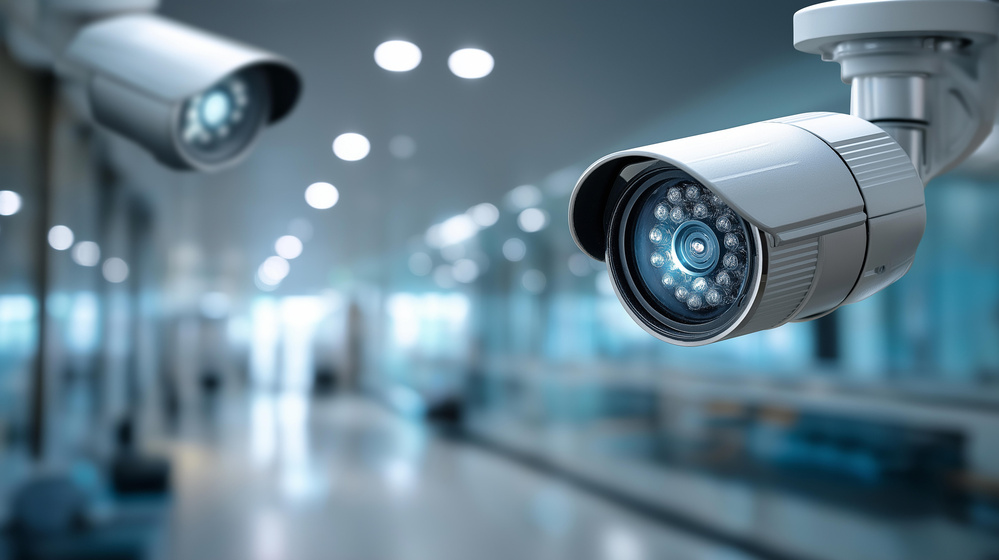
Managing security across multiple commercial properties requires centralized visibility and consistent system performance. At Confires Fire Protection Service, LLC, we help organizations across New Jersey, eastern Pennsylvania, and northern Delaware implement commercial video-surveillance systems that provide reliable oversight without constant on-site presence. Our team designs multi-site security strategies that align with operational goals and industry compliance requirements.
Key Takeaways
- Modern commercial video-surveillance systems use IP cameras, NVRs, and centralized dashboards to monitor multiple properties in real time.
- Wired PoE camera installations deliver more stable performance than fully wireless systems in most commercial environments.
- Storage-retention requirements vary by industry, with healthcare and regulated facilities often requiring extended video archives.
- Multi-site deployments require careful planning of bandwidth, infrastructure, cybersecurity, and long-term scalability.
How Centralized Camera Systems Improve Mid-Atlantic Property Oversight
Multi-site organizations need consistency across every building. Centralized security architecture gives decision-makers real-time visibility across facilities in New Jersey and eastern Pennsylvania. When properly designed, these systems also integrate with card access control systems and intrusion detection for a unified, compliance-driven strategy.
What a Commercial Video Surveillance System Actually Does
A commercial video-surveillance system connects networked IP cameras, recording hardware, and video-management software to capture and store footage across one or more properties. For businesses operating throughout New Jersey and eastern Pennsylvania, this means incidents at any facility can be reviewed remotely without dispatching personnel.
When paired with professionally monitored burglar alarm systems, recorded video supports alarm verification, reduces false dispatches, and improves response coordination.
How IP Cameras Differ from Older Analog CCTV Systems
IP cameras digitize video at the camera and transmit it over Ethernet to a network video recorder. Analog systems rely on coaxial cabling and DVR processing. For multi-building portfolios across the Mid-Atlantic region, IP-based systems offer higher resolution, remote accessibility, and easier expansion.
Many modern closed-circuit TV systems also support advanced compression standards and cybersecurity protections aligned with guidance from the Cybersecurity and Infrastructure Security Agency. These protections help reduce network vulnerabilities and unauthorized access.
How Cloud and Hybrid Storage Affect Multi-Location Access
Cloud-enabled systems allow authorized personnel to access live and recorded footage from any secure, internet-connected device. Many commercial properties use hybrid storage, recording locally to an on-site NVR while backing up critical clips off-site.
This approach balances bandwidth usage, redundancy, and rapid playback for distributed facilities. Storage and retention planning should align with recognized standards published by the National Fire Protection Association, especially when video integrates with life-safety systems.
Key Planning Factors for Multi-Site Security Camera Coverage
Effective deployments begin with a documented infrastructure assessment. Each property may present unique structural, technological, and regulatory considerations. Industry best practices outlined by ASIS International emphasize the importance of formal risk assessments before system design and equipment selection.
Assessing Network Infrastructure Before Camera Placement
High-definition camera streams require sufficient upload and download bandwidth to prevent lag or dropped feeds. Facilities managers should evaluate available network capacity at each New Jersey or eastern Pennsylvania location before finalizing camera placement.
Structured cabling pathways, switch capacity, firewall configuration, and VLAN segmentation all influence overall performance in multi-site environments.
Choosing Between Wired PoE and Wireless for Each Site
Power-over-Ethernet cameras transmit both power and data through a single cable, improving stability and simplifying installation. Wireless cameras can support supplemental coverage where cabling is impractical.
However, primary coverage points in commercial environments typically benefit from wired infrastructure. Warehouses, healthcare campuses, and educational facilities across the Mid-Atlantic region often rely on PoE to maintain consistent uptime and simplify long-term maintenance.
Planning for Storage Retention and System Scalability
Retention requirements differ by industry, insurance carrier, and internal policy. Retail environments may require 30 to 60 days of stored footage. Healthcare and institutional facilities often require 90 to 180 days or more.
Selecting NVR hardware with open channels allows organizations to expand camera coverage as tenant layouts or operational needs evolve. Planning for scalable architecture from the outset prevents costly hardware replacement when additional cameras, access-control readers, or alarm integrations are added later.
Protect Your Properties with the Right Surveillance System
Security requirements vary based on occupancy type, building age, and operational risk. Confires Fire Protection Service provides commercial security system services across New Jersey, Eastern Pennsylvania, and Northern Delaware through affiliated security divisions.
Contact us to discuss your facility needs and request a quote from a fire and security specialist.
Frequently Asked Questions
What is a commercial video surveillance system?
A commercial video surveillance system connects cameras, recording hardware, and management software to monitor and store footage across a business property. Authorized personnel can access live and recorded video remotely to support incident review, documentation, and operational oversight.
What is the difference between an NVR and a DVR for business security?
An NVR records video from IP cameras over a network and supports higher resolution and remote access. A DVR works with analog cameras over coaxial cable and is more common in older systems being upgraded.
How many days of footage should a business security camera system store?
Storage requirements depend on industry standards, insurance policies, and regulatory obligations. Retail locations often retain 30 to 60 days, while schools and healthcare facilities may require 90 to 180 days or longer for compliance purposes.
Do commercial wireless video surveillance systems work well for multi-site properties?
Wireless systems can support supplemental coverage where cabling is impractical, but they depend on strong, interference-free connectivity. Most multi-site commercial deployments rely on wired PoE cameras for primary coverage to ensure consistent performance and video stability.
Category: Security Systems Let us help.
Fill out the form and a Confires fire safety specialist will contact you.
Let us help.
Fill out the form and a Confires fire safety specialist will contact you.