
What New Jersey Businesses Are Required to Do for Fire Sprinkler Inspections and Testing
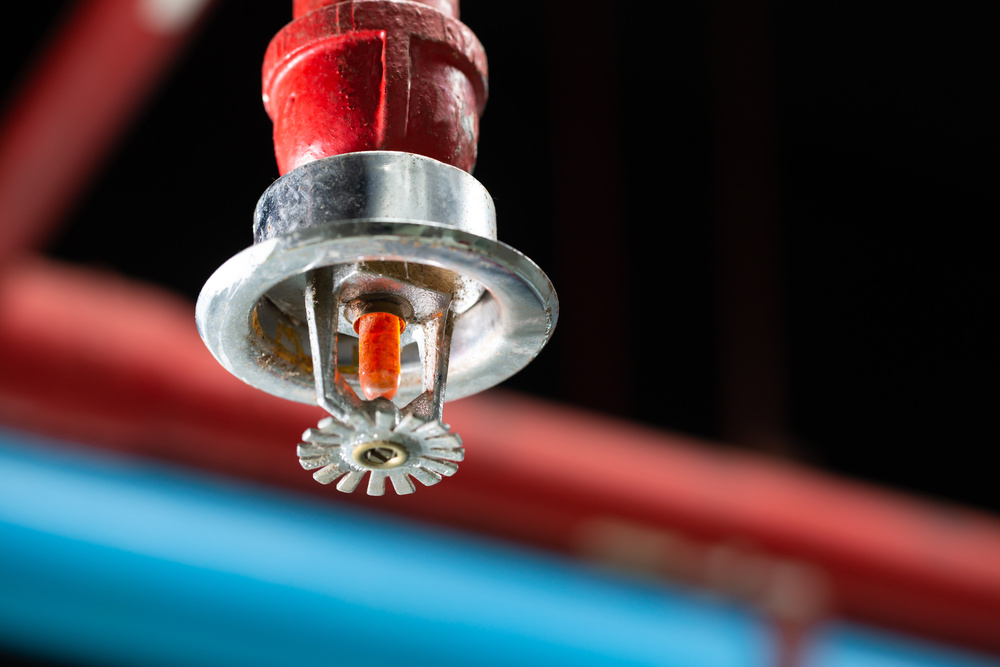
Fire sprinkler systems are a key life safety feature in many commercial buildings, and regular inspection, testing, and maintenance help ensure they are ready to operate as intended.
For businesses across New Jersey, that usually means following an inspection, testing, and maintenance (ITM) schedule based on NFPA 25 and any additional requirements adopted by your local Authority Having Jurisdiction (AHJ). In practice, the AHJ may be a local fire official, fire prevention bureau, or another enforcing authority. They may expect documented proof that required ITM activities are being completed.
Skipping or delaying ITM activities can increase risk and may lead to enforcement issues or required corrective action, depending on the situation. This post summarizes common ITM frequencies and impairment documentation practices. But requirements can vary based on system design, occupancy, and local code adoption.
Key Takeaways
- Fire sprinkler ITM typically follows a recurring schedule that includes checks performed weekly, monthly, quarterly, annually, and at longer multi-year intervals, depending on system type and components.
- When a required fire protection system is taken out of service, notification expectations and timelines vary by jurisdiction, so coordinate with your AHJ and follow the applicable code and standard.
- Records should be organized, retained, and available for review; retention periods can vary by AHJ and by the inspection or test interval.
- Using a properly qualified fire protection contractor can help keep your ITM schedule and documentation aligned with applicable requirements and AHJ expectations.
How to Meet New Jersey ITM Schedule Requirements
To make the schedule easier to follow, break sprinkler ITM into the common frequency categories below:
Weekly and Monthly Inspections Help Keep Control Valves in Check
Many fire sprinkler systems include routine control valve checks as part of ITM. Depending on how the valve is secured or supervised, the inspection frequency and method can differ. The goal of the check is consistent: confirm the valve is in its normal operating position, accessible, and not showing obvious damage or leakage.
If a control valve is partially closed, obstructed, or otherwise not in its normal position, that condition can create safety concerns and may raise compliance questions during an AHJ review. Because routine tasks are easy to overlook, many facilities treat valve checks as a recurring work order item with clear accountability.
Monthly Checks Commonly Cover Gauges and Alarm Components
Many systems also include regular gauge checks and visual condition checks of alarm-related components. Acceptable pressure ranges and normal readings depend on the system design and the equipment installed, so readings should be evaluated against the system documentation, nameplate information where provided, and contractor guidance.
Monthly condition checks often include looking for visible damage, leaks, or abnormal conditions on alarm valves and waterflow-related devices. A reading outside the expected range does not diagnose a root cause by itself, but it can be a sign that follow-up is needed to confirm valve positions, supply conditions, or other system issues.
Quarterly Testing Often Focuses on Waterflow Alarms and Supervisory Signals
Many facilities perform periodic functional testing of waterflow alarm devices and supervisory signals. The testing method varies based on system configuration, but it is commonly performed using an inspector’s test connection or another approved test arrangement.
The purpose is to confirm that the waterflow condition is detected and annunciated correctly at the fire alarm control unit and, where applicable, transmitted to the monitoring provider.
Expected response times and acceptance criteria depend on the applicable code, system design, and local requirements, so testing should follow the contractor’s procedure and the requirements enforced by the AHJ.
Missing a scheduled test can create a documentation gap that may be identified during a records review.
Annual Inspections and Tests Are Often the Most Comprehensive Event
Annual ITM is commonly one of the most extensive points on the calendar. The specific scope depends on system type, occupancy conditions, and the standard and code requirements that apply. Annual work often includes a system-wide review of sprinklers, piping, hangers, and valves, with attention to conditions that can affect performance, such as physical damage, corrosion, loading, or paint overspray.
Annual service may also include functional tests such as waterflow alarm testing and a main drain test, where required. Main drain testing is commonly used to help evaluate supply-side conditions by comparing readings over time, but results should be interpreted by a qualified professional because many variables can affect the readings.
Multi-Year Requirements Address Longer-Term System Integrity
In addition to weekly, monthly, quarterly, and annual tasks, sprinkler systems may have longer-interval items that occur at multi-year milestones.
Depending on system condition and applicable requirements, this can include internal inspections or obstruction-related evaluations of representative piping, as well as age-based testing or replacement criteria for certain sprinkler types.
The details are technical and can vary significantly by equipment listing, installation date, and the edition of the standards and codes adopted locally.
For facilities with older systems or challenging water conditions, long-interval items are often where deferred work accumulates, so it helps to plan and align capital budgeting with expected ITM milestones.
What to Document Before Coordinating With AHJs During Impairments
Use the checklist below to keep impairments consistent and defensible, with the exact steps and timing guided by your AHJ and the requirements that apply to your facility:
Know the Impairment Type and Coordinate Notifications
Not every condition affecting a sprinkler system is handled the same way. Some impairments are planned, such as scheduled testing, repairs, or construction-related shutoffs. Others are emergency impairments caused by failures, leaks, or unexpected damage.
Notification expectations and timelines vary by jurisdiction and by the nature and extent of the impairment, so coordinate with your AHJ and follow the applicable code and standard.
When you notify the AHJ, be prepared to communicate what is affected, why the system is out of service, and how long you expect it to remain impaired.
Document the Physical Scope of the Impairment
Clear documentation matters during an impairment. Instead of a general note that the system is out of service, identify the area affected and the component or valve involved. Where practical, document which zones or floors are impacted, which valves are closed, and what portions of the building are not protected during the impairment.
Some impairment procedures also call for posting impairment tags or notices at key system points. Tagging practices and locations can vary based on the standard and AHJ expectations, so follow the procedure recommended by your contractor and the direction of the AHJ.
Assign an Impairment Coordinator
Many impairment procedures include assigning an impairment coordinator who is responsible for coordinating notifications, interim safety measures as directed, and the steps required to return the system to service. In a commercial building, this is often a property manager, facilities director, or a designated safety lead.
Document the coordinator’s name and direct contact information so the AHJ and the servicing contractor can reach a specific person who can provide status updates.
Confirm Interim Safety Measures
When a sprinkler system is out of service for an extended period, additional measures may be required. Depending on the facility, occupancy, and the direction of the AHJ, this may include a fire watch or other compensatory actions.
Fire watch procedures, qualifications, patrol frequency, and logging requirements should follow the AHJ’s direction and the applicable code or standard for the facility.
If a fire watch is implemented, keep a clear log that reflects the instructions provided, and retain it with your impairment documentation.
Record Restoration Details and Close the Loop
When the system is returned to service, document restoration details, including the time and date the system was restored, confirmation that valves are returned to their normal operating position, and verification that required alarm and supervisory conditions are functioning as intended. Remove impairment tags or notices as directed once the system is restored.
Many jurisdictions also expect a restoration notification to close the impairment record, so confirm whether the AHJ wants a specific follow-up and keep a record of the communication.
Schedule Your Sprinkler Inspection and Testing Service Today
Staying current with fire sprinkler inspection and testing requirements supports safety and helps reduce compliance risk.
Confires Fire Protection Service works with commercial property owners, facilities managers, and property managers across New Jersey to help keep sprinkler systems on schedule, with clear ITM documentation and support for meeting AHJ and code requirements.
Contact us today to schedule an inspection or to discuss an ongoing inspection and testing schedule for your facility.
Frequently Asked Questions
How often should fire sprinkler systems be inspected and tested?
Inspection and testing frequencies depend on system type, components, and the requirements adopted by your AHJ. Many facilities follow a recurring schedule that includes weekly, monthly, quarterly, annual, and multi-year items.
What are the requirements for fire sprinkler inspection?
Requirements vary by system and jurisdiction. In general, they include routine visual inspections, periodic functional tests, documentation, and procedures for managing impairments, all performed by qualified personnel under applicable rules.
What happens if a New Jersey business fails to meet sprinkler inspection requirements?
Consequences vary by jurisdiction and circumstances. Falling behind on required ITM activities or documentation can lead to AHJ findings and required corrective action, and it can increase risk if the system is not ready to perform as intended.
Who can perform fire sprinkler inspections in New Jersey?
New Jersey and local jurisdictions may require specific qualifications or licensing for certain sprinkler inspection and testing work. Confirm your contractor meets the applicable requirements for your scope and that their documentation will be acceptable to your AHJ.
Category: Fire Sprinklers Let us help.
Fill out the form and a Confires fire safety specialist will contact you.
Let us help.
Fill out the form and a Confires fire safety specialist will contact you.